Your artwork passes in front of hundreds of eyes, sandwiched between content that has nothing to do with art, collecting quick likes that never turn into anything. Where a work is shown changes the kind of attention it receives.
You publish a piece that took you weeks, and hundreds scroll past it — sandwiched between a funny clip, an ad, and someone's dinner video. A few leave a quick like, then keep scrolling. The result is numbers that look decent on screen, but you sense that no one actually saw the work — they just passed by it, the way they pass by everything else in that endless scroll.
Scrolling Past and Seeking Out Are Two Completely Different Experiences
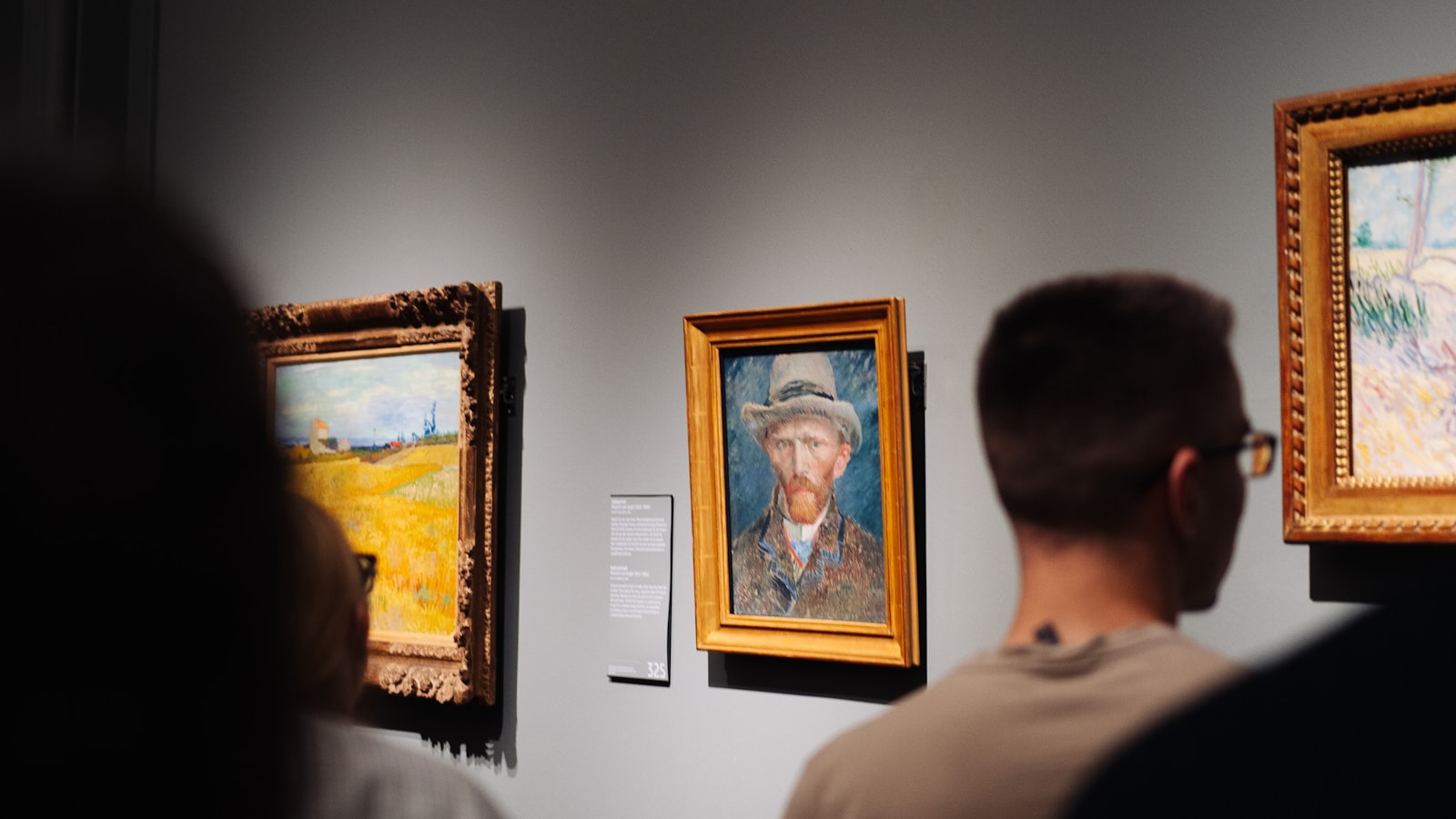
Someone who scrolls past your work amid content that has nothing to do with art is in a fast-consumption mindset: they judge in a second, then move on. Someone who enters a space dedicated to art and creativity is already in a different state — they came looking for something worth their time, ready to stop for it, maybe even to own it. The work is the same; the mind receiving it is not. The difference isn't how much someone cares about art in general, but the mental state at the moment of viewing — a state the place creates before the work ever does.
Context Decides the Value Before the Work Does
A piece of art shown between an ad and an entertainment clip gets measured by that context's standard: is it more entertaining than the clip before it? A piece shown in a space where the visitor knows they're looking at artwork gets measured by an entirely different standard: is it worth knowing the artist? Following them? Paying for this? Context doesn't change the work, but it changes the question being asked about it. The same piece can be judged by two completely different standards depending on where it was placed — which alone explains why a well-made work gets ignored in one place and genuinely appreciated in another.

Zayenha ArtsAn artistic growth platform that assesses your skills, evaluates your work against clear criteria, and builds a personalized development pla
Try the appAn Audience That Came Looking for You Treats You Seriously
When a visitor reaches your work through a space they know is for art and creators, they arrive already carrying an expectation of seriousness — an expectation someone who stumbles onto you by chance amid other content does not carry. That small difference in expectation is what separates someone who leaves a passing like from someone who asks: how do I get this? They usually pause at the artist's name before the piece itself, read about them, browse other work, and ask about price and availability — behavior that only comes from someone who arrived with clear intent.
A Space Where Visitors Know They Came for Art
Zayenha Arts brings artists and creators together in one place to showcase their work, sell it, and connect with an audience that genuinely values creativity — an audience that arrived there looking for art, not by chance between other content. When the person looking at you knows why they came, the nature of every interaction that follows changes. Your work deserves to be measured by the standard of art, not the standard of passing entertainment surrounding it everywhere else.
FAQ
Why do I get many likes on social media that never turn into sales?
Because most people who like your work arrived by chance while browsing other content, and that mindset doesn't push toward a buying decision; a purchase needs an audience that arrived with the intent of looking for art.
Does this mean social media is useless for an artist?
No, but it's better suited to introduction and reach than to serious selling; the artist needs an additional space reached by people who are looking for art with clear intent.
How do I tell the difference between real appreciation and passing attention?
Passing attention stops at the like button. Real interest pushes the visitor to follow the artist, ask about the work, or come back to it again.


Comments
Loading comments…