
المعرفة والتعلّم
لماذا تبدأ القراءة أصعب من أن تستمر فيها
المشكلة نادراً ما تكون نقص الوقت أو الرغبة، بل صعوبة الانتقال إلى حالة التركيز كل مرة تفتح فيها كتاباً. اكتشف لماذا تحتاج القراءة إشارة ثابتة تسبقها لا مجرد نية.
المشكلة نادراً ما تكون نقص الوقت أو الرغبة، بل صعوبة الانتقال إلى حالة التركيز كل مرة تفتح فيها كتاباً. اكتشف لماذا تحتاج القراءة إشارة ثابتة تسبقها لا مجرد نية.

قبل أي قرار يخصّك — توظيف أو تعاون أو لقاء أول — يبحث عنك أحدهم غالباً في غيابك التام. اكتشف لماذا يُملأ الفراغ في المعلومات بالشك لا بحسن الظن، وكيف تتحكم فيما يُوجد.

كل «نبذة عني» كتبتها يوماً على أي منصة بقيت منشورة كما هي، حتى بعد أن تغيّرت أنت. اكتشف لماذا يفشل التحديث المتفرّق دائماً، وكيف تجعل نقطة تحديث واحدة تكفي كل مكان.
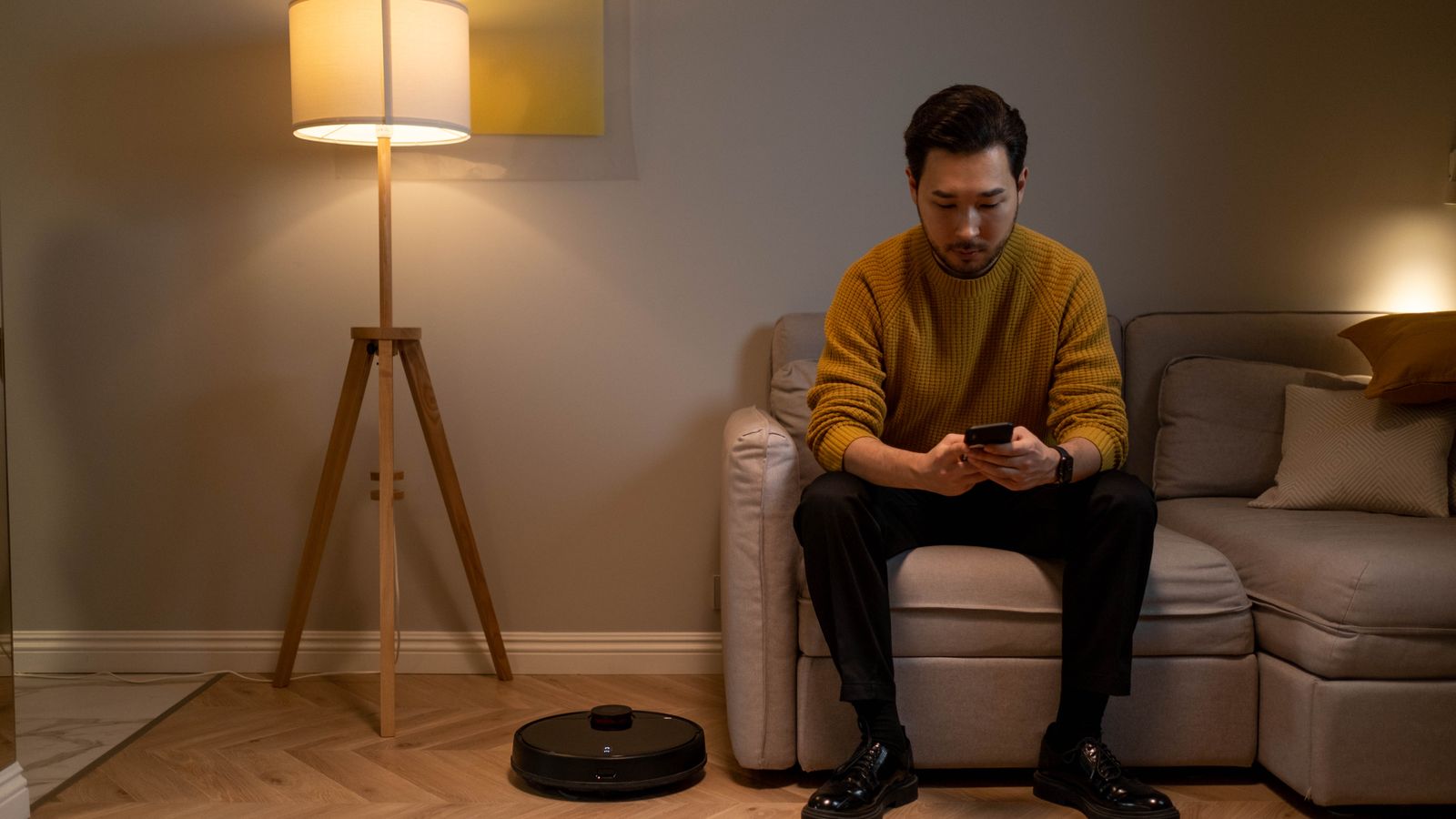
كثرة النصائح العامة تُشعرك بالحيرة لا بالوضوح. علم النفس يفسّر لماذا يُنهكك الاختيار بين عشرين نصيحة — وما الذي يصنع الفرق: خطوة واحدة تناسب موقفك، لا قائمة جديدة.

تحلّ مأزق صديقك خلال دقائق، ويصعب عليك حلّ مثله حين يخصّك أنت. علم النفس يفسّر لماذا تمنحك المسافة عن الموقف وضوحاً يحجبه القرب منه.

يقلقك أن زواجكما فيه خلافات متكررة على أشياء صغيرة. أبحاث غوتمان تُظهر أن الخلاف نفسه لا يُنبئ بشيء — الفارق الحقيقي فيما يحدث في الدقائق التالية له.

تبذل جهداً كبيراً لأجل شريكك، ومع ذلك يشعر بالبعد. مفهوم لغات الحب يفسّر لماذا يضيع جهدٌ صادق حين يصل بلغةٍ غير التي يفهمها الطرف الآخر.

تبحث عن معنى حلمك فتجد إجابة واحدة يُفترَض أنها تناسب كل من رأى الحلم نفسه. لكن الرمز نفسه يعني أشياء مختلفة تماماً بحسب من يحلم به ومتى.

بعض الأحلام لا تُحكى لأحد — محرجة، غامضة، أو كاشفة أكثر مما نريد. فتبقى بلا معنى لأننا لم نمنحها مكاناً آمناً لنفهمها.
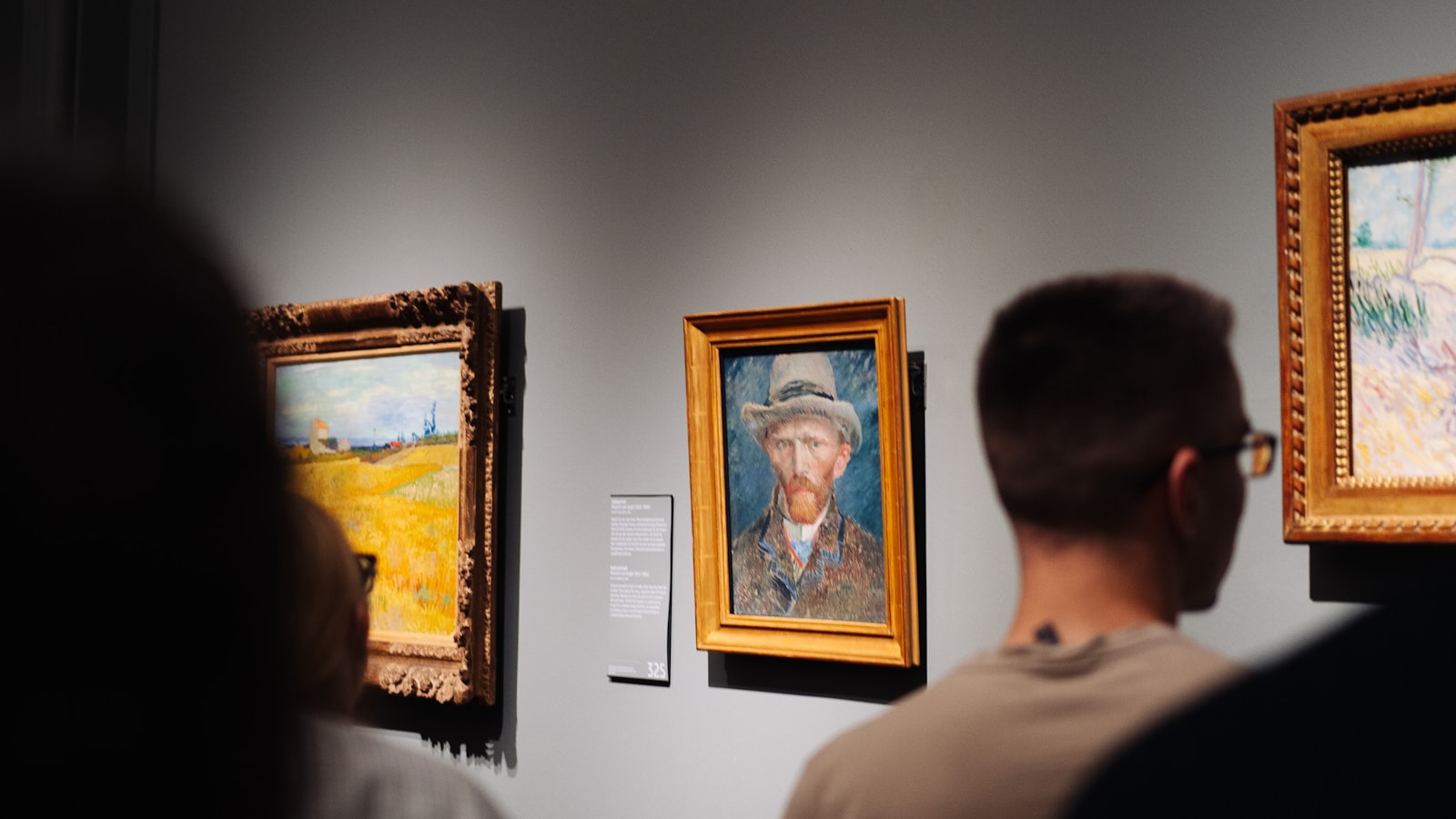
عملك الفني يمرّ أمام مئات العيون بين محتوى لا علاقة له بالفن، فيحصد إعجاباً سريعاً لا يتحوّل إلى شيء. المكان الذي يُعرَض فيه العمل يغيّر نوع الاهتمام الذي يحصده.

عائلتك وأصدقاؤك يعجبون بكل ما تصنعه، وهذا شعور جميل لا يمنحك ما تحتاجه فعلاً: معياراً حقيقياً يوضح أين موقع عملك وكيف يتطوّر.

الحلم الذي بدا حيّاً يتبخّر خلال دقائق من الاستيقاظ. فهم لماذا ننسى الأحلام يكشف كيف نحتفظ بها — ولماذا يستحق بعضها أن يُدوَّن.